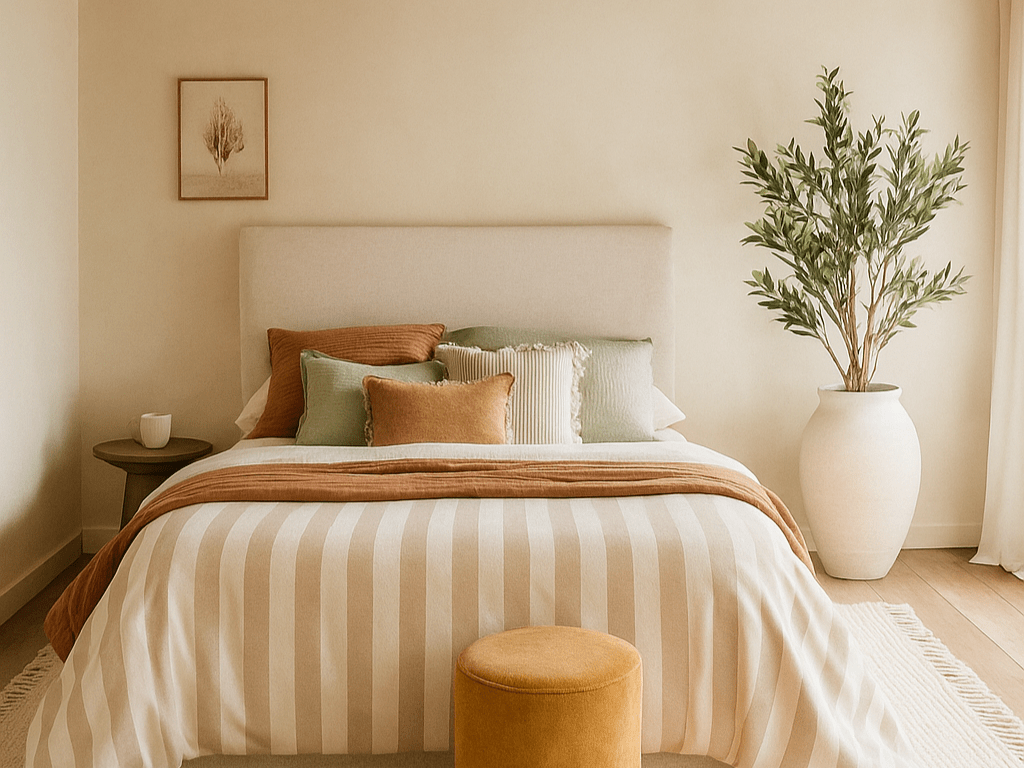

A small bedroom doesn’t have to mean a lack of style, comfort, or space. With a few carefully chosen solutions, you can transform your bedroom into a calm, airy corner that looks much larger than it actually is.
Below are 7 tricks used by professional interior designers, along with practical examples and tips to help you implement them in your own home:
1. Use the Power of Mirrors
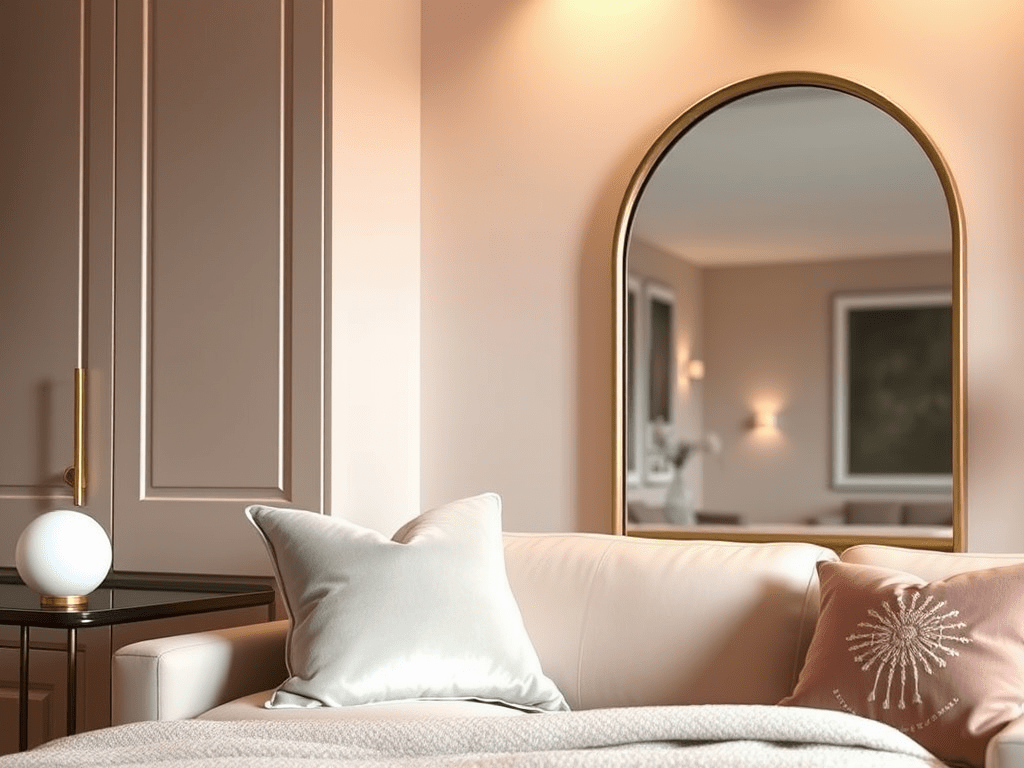
Mirrors reflect light and create the illusion of depth. Place a large mirror on one entire wall (ideally opposite a window), or use several smaller mirrors as decoration. Even wardrobes with mirrored fronts visually “open up” the space.
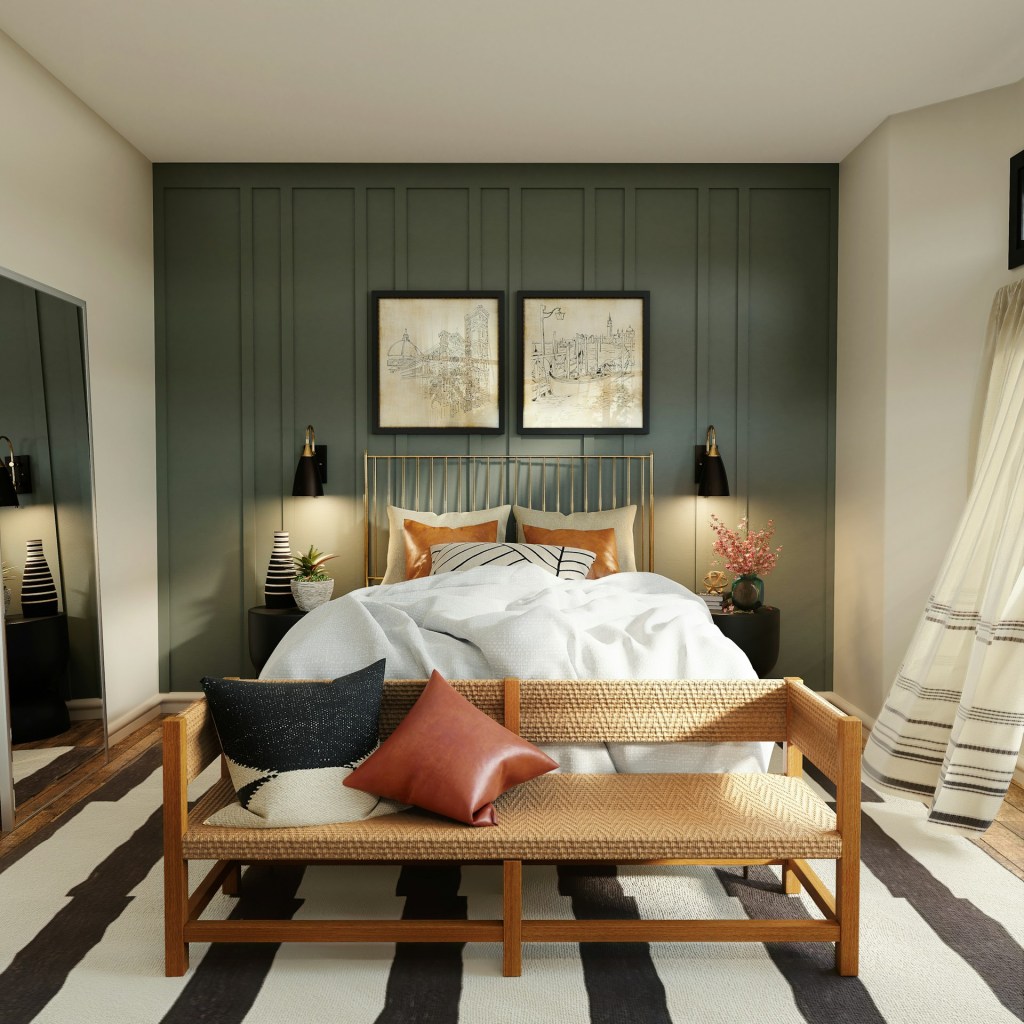
Tip: Try a full-length mirror leaning against a wall for a stylish yet functional touch. Avoid placing mirrors directly facing the bed to maintain a peaceful atmosphere.

2. Choose Light and Neutral Color Palettes

Light shades like white, beige, blush pink, gray, or pastel blue reflect more light and make the room appear visually larger. Walls, bedding, and rugs in similar tones create continuity and reduce the feeling of clutter.
Example: A white-walled bedroom with soft gray bedding and a light wooden floor can feel open and fresh, perfect for small spaces.
3. Opt for a Bed with Built-in Storage
Beds with drawers or space under the mattress help keep everything tidy without extra dressers and cabinets. If you don’t have such a bed, get practical boxes that slide under the bed—perfect for linens, pillows, or seasonal clothes.
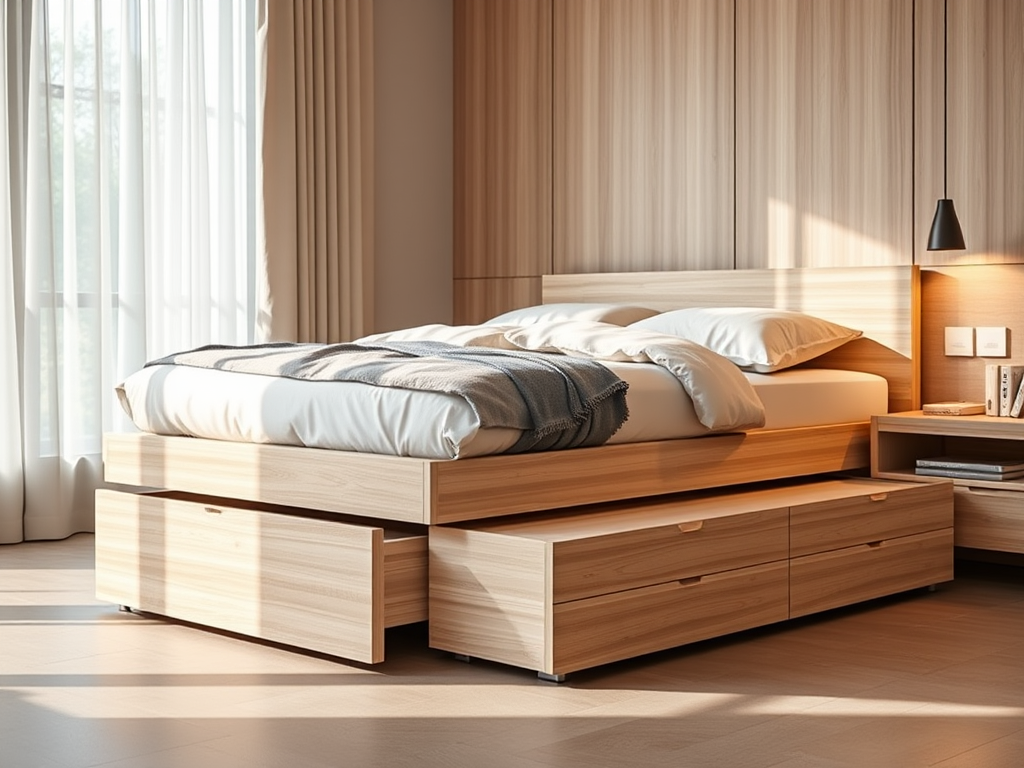
Tip: Choose storage solutions that are easy to access to avoid piling things on top and creating clutter.
4. Think Vertically for More Visual Height
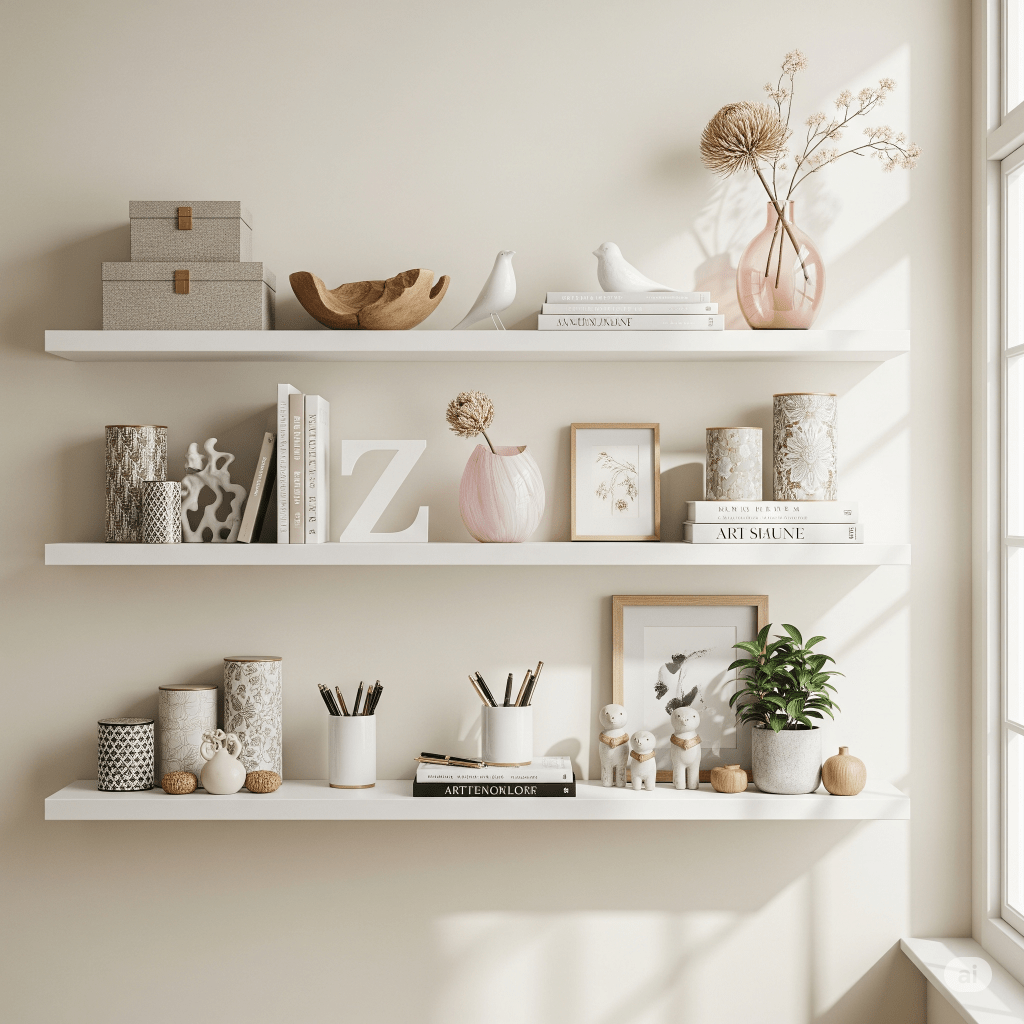
Use the height of the room. Wall shelves, tall wardrobes reaching the ceiling, and curtains that start above the window (close to the ceiling) visually raise the space and make it feel taller.

Example: Installing floating shelves up high can provide extra storage without taking up floor space, while long curtains draw the eye upward.
5. Minimize Clutter — Less Is More
Minimalism is key. Limit decorations to a few carefully selected pieces. Baskets, boxes, and closed nightstands help keep small items out of sight. Visual cleanliness = sense of space.
Tip: Regularly declutter and only keep items that bring you joy or serve a purpose.
6. Smart Lighting Changes the Atmosphere
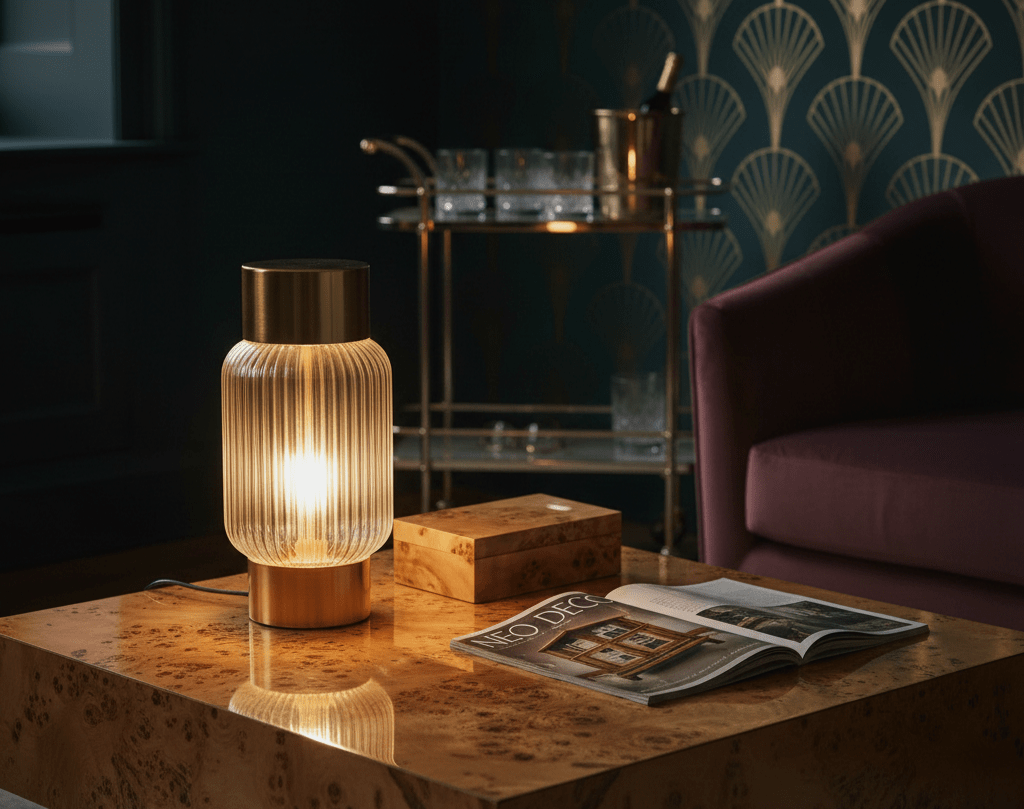
Combine multiple light sources: ceiling, wall, table lamps, or LED strips behind the headboard. Use lighting not just as function but to create depth and ambiance. Warm, diffused light makes the space cozier and bigger.

Example: A bedside lamp with a dimmer lets you adjust the mood while soft LED strips can highlight architectural features.
7. Wall Art and Decor — Carefully and Proportionally

Instead of large paintings that overwhelm the space, use smaller grouped pieces or one vertically oriented detail. Avoid bulky frames and dark tones. A gallery wall with light illustrations can look perfect without cluttering the space.

Tip: Choose art that complements your color scheme and keeps the room feeling light and airy.
Conclusion
Designing a small bedroom is the art of balance — between function, aesthetics, and a sense of openness. But with smart choices in colors, furniture, and details, even the tiniest space can become your favorite place to rest and relax.

 KZ Home Journal
Leave a comment